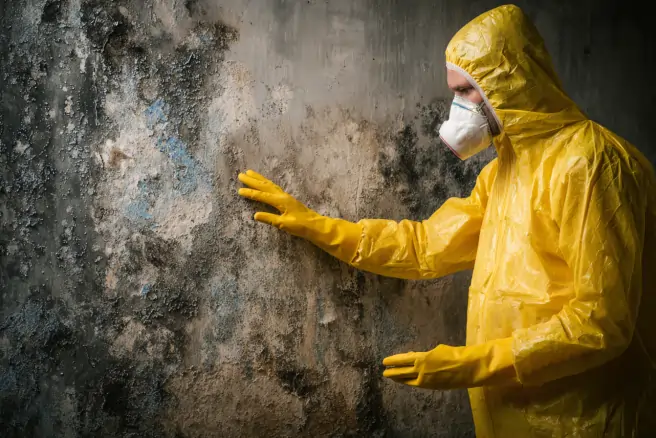
Life in Stuart, Florida, comes with endless sunshine, boating on the St. Lucie River, and weekends spent downtown. But anyone who’s lived here long enough also knows that hurricane season is part of the deal. While wind and flooding get most of the headlines, one of the most destructive side effects of hurricanes is mold.
In Stuart, FL, mold removal after a hurricane or tropical storm is often the most important step in recovery. Even small leaks or minor flooding can create the perfect breeding ground for spores. Without fast action, mold spreads quickly, damaging property and endangering health.
Why Hurricanes Fuel Mold in Stuart
Stuart’s location on Florida’s Treasure Coast means it is no stranger to tropical storms and hurricanes. These storms create ideal conditions for mold growth:
-
Flooding: Water intrusion soaks flooring, drywall, and insulation.
-
Roof damage: Missing shingles or flashing allow rain to pour inside.
-
Power outages: Without air conditioning or dehumidifiers, humidity skyrockets.
-
Lingering moisture: Even after water recedes, damp materials remain fertile ground for spores.
In Stuart’s year-round humidity, these conditions accelerate mold growth—sometimes within 24 to 48 hours.
Health Risks After Storm-Related Mold
Post-hurricane mold isn’t just a nuisance; it’s a health hazard. Residents often return to their homes to find musty odors and visible mold on walls, ceilings, and furniture. Prolonged exposure can cause:
-
Respiratory irritation and persistent coughing.
-
Worsening asthma and allergies.
-
Headaches and fatigue.
-
More severe risks for children, seniors, and those with weakened immune systems.
Given Stuart’s population of retirees and families, mold is a public health issue as much as a property problem.
Common Places Mold Appears After Storms
Hurricane-related mold in Stuart often hides in places homeowners overlook:
-
Behind drywall where floodwater seeped in.
-
Under flooring—especially carpet and wood.
-
Inside HVAC systems contaminated by condensation.
-
In attics after roof damage and leaks.
-
Furniture and upholstery that absorbed water.
Because much of this mold isn’t visible, professional inspections are essential after storms.
The Mold Removal Process in Post-Storm Stuart
Professional mold remediation teams in Stuart follow a multi-step approach to storm-related infestations.
1. Emergency Drying and Water Extraction
Crews remove standing water, use industrial fans and dehumidifiers, and dry affected materials quickly to limit mold growth.
2. Inspection and Testing
Moisture meters, thermal cameras, and air sampling identify hidden pockets of mold.
3. Containment
Plastic barriers and negative air pressure prevent spores from spreading into unaffected areas.
4. Removal of Damaged Materials
Water-logged drywall, carpet, and insulation are cut away and safely disposed of.
5. Cleaning and Treatment
HEPA vacuums, antimicrobial sprays, and specialized cleaners sanitize surfaces and neutralize spores.
6. Air Filtration
High-efficiency filters capture airborne mold particles during and after remediation.
7. Restoration
Rebuilding begins, from new drywall and flooring to repainting and sealing.
Insurance and Mold Removal in Stuart
One of the biggest challenges after hurricanes in Stuart is navigating insurance claims for mold damage. Policies vary, but many cover mold only if it results from a covered event like storm damage.
Homeowners should:
-
Document all damage with photos and videos.
-
Contact their insurer immediately.
-
Keep receipts for temporary repairs and professional remediation.
-
Work with mold removal companies experienced in handling claims.
Local contractors often know how Treasure Coast insurers process storm-related mold claims, helping homeowners get fair coverage.
Preventing Mold After the Next Storm
While no one can prevent hurricanes, Stuart residents can take steps to minimize mold risks before the next storm:
-
Roof maintenance: Fix loose shingles and flashing ahead of hurricane season.
-
Window and door sealing: Prevent leaks during heavy rains.
-
Gutter and drainage upkeep: Direct water away from foundations.
-
Backup generators: Keep dehumidifiers and AC running during power outages.
-
Quick response kits: Tarps, wet vacs, and fans ready for post-storm use.
Preparedness doesn’t stop storms, but it buys valuable time before mold takes over.
Why Local Expertise Matters in Stuart
Not all mold remediation is created equal. In Stuart, where storms and flooding are common, homeowners benefit from working with local experts who:
-
Understand Treasure Coast weather patterns.
-
Have experience handling hurricane recovery projects.
-
Know how to coordinate with Florida insurers.
-
Use methods that protect the area’s sensitive coastal environment.
Choosing the right team ensures faster recovery and less stress in the aftermath of a storm.
Final Thoughts
In Stuart, FL, hurricanes are a fact of life. But while most residents focus on boarded windows and rising water, mold is the hidden enemy waiting after the storm passes.
Mold removal in Stuart isn’t just about restoring property—it’s about protecting health, preserving home value, and ensuring families can move forward after disruption.
With professional help, preventive steps, and local expertise, Treasure Coast homeowners can face hurricane season with confidence. Because while you can’t stop the storm, you can control what happens after—and that makes all the difference.